MSB Premier DAC & PSU Renderer Model with FEMTO 93 Clock
MSB Technology Premier
 171 views last month, 155
 views this month
Last Update On
11.02.2026
 Description
Original Description is in
English, other language texts are translations and can contain errors.
EnglishDeutschSpanishTurkish
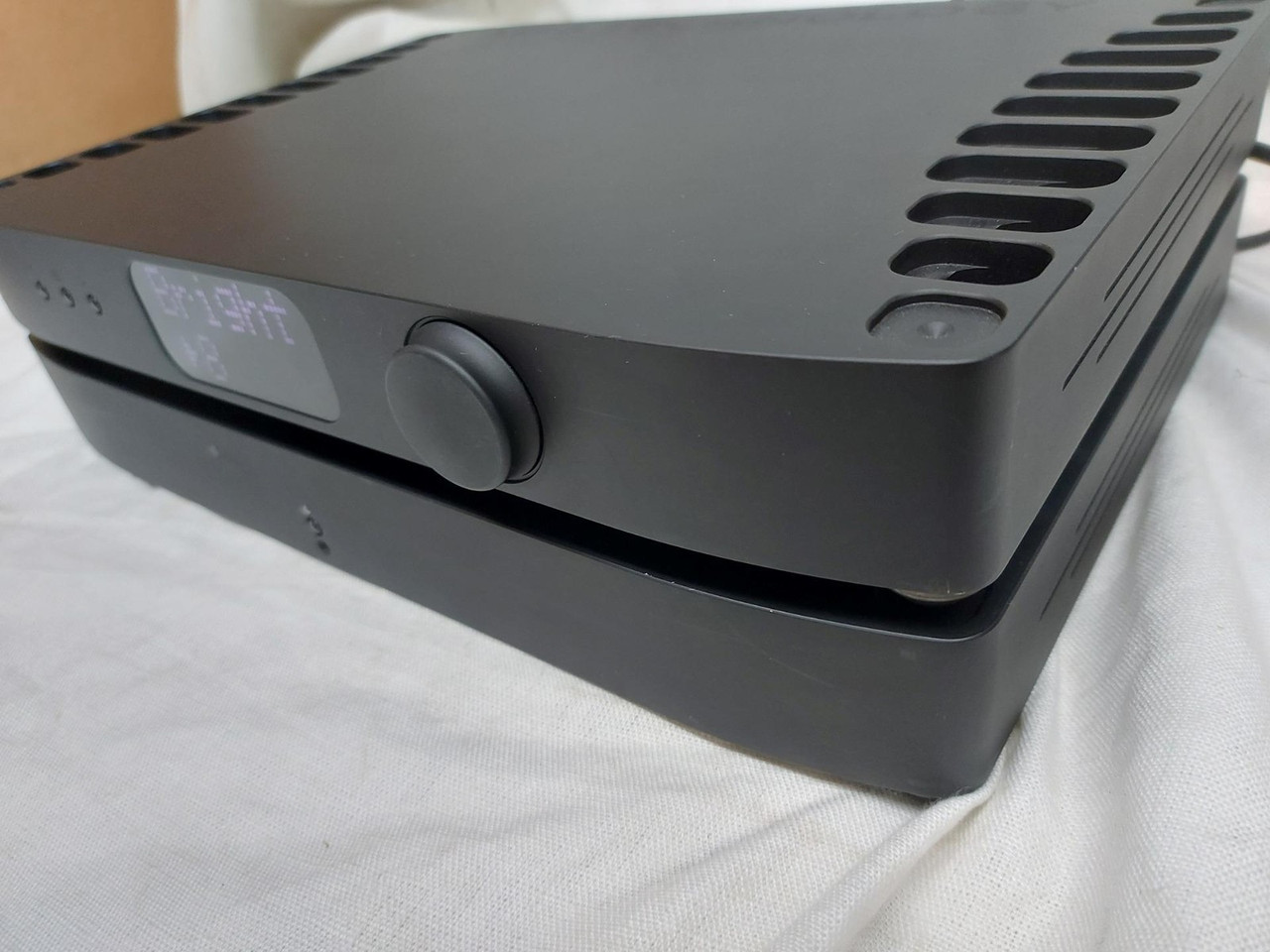
Excellent and boxed.Traditional 'resistor ladder' DACs are rarely seen these days but California-based MSB has made the technology its own and elevated performance to an entirely new levelDespite persistent rumours of the standalone DAC's demise, the industry continues to provide us with converters with capabilities far in excess of any digital sources commonly available. MSB's DACs fall into this category, and given the sheer brilliance of the Premier we're reviewing here, it's hard to fathom that this isn't even the top rung of the MSB family, coming in below the flagship Select and the Reference, and above the Discrete. That said, the bare-bones version is £19,500. Ulp.Our photographs reveal the detail of the combination up for review, but here I must preface my report with a recital of names and numbers. Why? Because a major part of the unit's appeal is the way you, the customer, can tailor it to specific needs. I realise that MSB is not the only manufacturer to employ a modular architecture; I am merely emphasising its presence, not least because module swapping – should you purchase more modules than the unit can host at once – is so swift and intuitive that I had a hard time to resist just playing with them. I loved fiddling with the unit's swing out locking lever system. Very cool.On The Menu...This approach to the user defining the Premier's capabilities addresses both one's audio system's requirements and one's finances, if that even matters at this level. As with the apocryphal remark about Rolls-Royces, and if you have to ask the fuel consumption… but whatever your predispositions, the Premier can accommodate your precise needs should you be, say, a CD-only user, or one who adores streaming, or – more likely – an omnivore audiophile with myriad sources.1019msb.bacBy my count, the Premier can handle one double-width module, which in our set-up contained the XLR line outputs and the two feeds from the separate Powerbase PSU, plus four single-width modules. You can, of course, just get by with the double module and one choice of input, and add others later, as funds or needs determine. When you see the options, you'll be forgiven if it recalls a menu in a restaurant that suggests choosing something from Columns A, B and C.The brochure fortunately tells you which modules each of the four models handle; the Premier and Discrete do not accept analogue inputs, and there's no matching transport in the range. But what remains is comprehensive.For £19,500 the 'base level' MSB Premier DAC includes the standard Premier Clock module, the Digital coaxial/Toslink/ input module (with a Word Clock on BNC), choice of RCA or XLR analogue output modules, and the MSB Remote. Optional extras include the Premier Powerbase PSU (£7500), the double fibre optic Pro ISL link module (£990), Pro USB/ISL adaptor (£990) and Renderer (network) streaming module (£1950) – just under £31,000. But, as Paul Benge of the company's UK distributor HiFiTraders told me, 'You don't have to have the Powerbase, as the Premier DAC comes with a small Discrete power supply to which you can add another Discrete PSU for £1500, if you can't stretch to £7500'.1019msb.bac2Now the fun begins, and you will soon see why purchasing this is more than a matter of ticking boxes. I was reminded of the choices presented to me when specifying my first Mac, or the options lists when buying a new car, and it will be incumbent on your retailer to assist you. I can imagine profligate audiophiles buying the lot, but some of the modules are so esoteric as to beg their raisons d'être. In addition to what was tested, and also already mentioned as options, there's a Quad rate, non-MQA DSD USB input module (£990), the same with MQA (£1590), the Dual Pro I2S input module (£990), and by way of upgrade, the Femto 93 clock (£4950 if ordered with the Premier), which I would heartily recommend. Let's call it circa-£40k for the complete set.Royal FlushMSB doesn't seem to have put a foot wrong, save for the IR remote. This alloy handset is a bit of a nightmare because MSB chose to be clever and engrave it with almost-recognisable, yet non-intuitive icons that, power on/off aside, look more like the cuneiform on the Rosetta Stone than self-explanatory images which make most remote controls second nature. I had less trouble the first time I was faced with a Toto toilet in Tokyo, with no English labelling and only symbols to explain where the water jets were aimed.But the remote is a must because the fascia sports only three buttons, also with barely legible labels. Let's just say they do not present the most user-friendly way of navigating the complexities of the menu system. Throughout this review, then, please keep in mind that we are talking about a DAC that almost deliberately, nay, wilfully taunts the user with the irony of its near-Bauhaus, clutter-free front panel, dominated by a perfectly-legible dot-matrix display, yet it lacks anything approaching instinctive ergonomics.Luckily, I was shown how to operate it by the distributor, and I suspect that – like dealing with an upgrade to one's computer or tablet operating system – familiarity will swiftly compensate for MSB's hostile interface. Someone at the factory is, at this very moment of reading, writing me off as a techno-moron, but I am an audiophile of 51 years' standing and I cannot name one product that comes close to the MSB remote's abstruse commands.sqnoteDac To The FutureSet-up, somewhat surprisingly, was swift, with a feed from the Audio Research REF CD9 SE as a disc transport, as well as a new MacBook for digital delivery via assorted sources. And here I must address the thorny topic of digital cables. Sorry to say this – oh, you don't know how much it pains me! – but the resolution and transparency of this DAC proved so truly exceptional that cable changes were immediately discernible and qualitative. I get the argument that you really shouldn't be able to hear differences between digital cables, eg, 75ohm coax equals 75ohm coax, but they were vivid enough to silence naysayers and validate cable junkies.MSB Premier/Powerbase Modular DAC Page 2facebook sharing buttonflipboard sharing buttonpinterest sharing buttonemail sharing buttonsharethis sharing buttonreddit sharing buttonIt's clear that MSB has future-proofed the Premier, so Roon, MQA and other flavours of digitalia have been addressed, but I concentrated on CD and networked connections, despite loathing the latter with such a passion that I think I may need help. That said, my detestation is based on a number of factors of which sound quality is but one. Talk to any musician about who he or she believes is being ripped off royalty-wise and you might find yourself sympathising with someone you'd think unlikely to need pitying.1019msb.remRegardless, I have to admit that live concerts from the 1970s via Wolfgang's Vault sounded better than they had any right to, certainly sounding as 'un-digital' as one might hope, with natural-sounding applause and a good sense of the hall's space. Goodness me: Neil Young and Crazy Horse's 'Cinnamon Girl' from the Fillmore East on 6 March 1970, had a massive spread, with precise instrument placement that extended from wall to wall. Stage depth, too, was improved over other, admittedly far-less-expensive DACs, though the extreme bottom end was a tad lumpy. That, though might just be the recording – a nearly 50-year-old live gig, after all.Wonderful WoodinessRegardless, I found myself enjoying the concert so much that I spent an entire evening traversing the site's astounding library, delighted to find from the same year The Youngbloods playing the ominous 'Darkness, Darkness' and then lightening it up with the delightful 'Sugar Babe'. Jesse Colin Young's voice enjoyed clarity to savour, with a deliciously un-digital warmth. The harmonies fell into place, each voice discernible in its own space.'Darkness, Darkness' on LP or CD doesn't have the quasi-unplugged mournfulness of this August 1970 performance, the opening making me wish it had been used for the soundtrack of the magnificent Deadwood. It had a rustic, almost Appalachian feel, and this DAC respected its delicacy. Then, when the harmonica joined in on 'Sugar Babe', I almost jumped out of my seat, it was so genuine.Peeling a half-century off my allotted time, I wallowed in a James Taylor concert from 1971 – from a tour I was lucky enough to have seen. His guitar was treated to wonderful woodiness and the requisite twang, with that honeyed voice so intimate that a self-pinching moment was needed to remind me that it was a live gig in a sizeable hall. Though this has nothing to do with the MSB Premier, it was a joy to note the way he commanded the audience, which sat clearly rapt.1019msb.ins1For two obvious reasons, however, I spent the rest of my time with the Premier playing CDs. Most important is that these can be referenced to studio-quality performances, often of some familiarity, and as such can also be compared in many cases to the superior vinyl (or even tape) versions.As for the second reason, it's never knowing precisely what the Internet is doing to a signal at any given time, in the sense that I know the chain of my system from CD or LP source through to the loudspeakers. I have no idea what's happening before BT's Wi-Fi hub grudgingly feeds a signal to my Mac computer. At least there's a modicum of control, or perhaps a sense of it when using a CD.Lusciously LiquidWith the newly-remastered Searchers box set, When You Walk In The Room – The Complete Pye Recordings 1963-67 [Grapefruit CRSEGBOX055], referenced to mint original LPs, the Premier extracted phenomenal stage width and depth on the stereo version of 'Take Me For What I'm Worth'. This late-period release, when the band had moved into the protest/folk-rock genre which was, amusingly sired by their influencing The Byrds' 12-string jingle-jangle, is disarmingly well-recorded, and the MSB Premier extracted everything it could from the lush harmonies.While The Hollies and The Beach Boys vie for the title of 'best harmonising' in a rock group context, The Searchers were no slouches either. This cover of the sublime PF Sloan composition treats the listener to dynamic swings and passages of sublime delicacy countered by the anger of the message. The Premier moves with the music so skilfully, so suavely that I was driven to A/B it with the LP. Trust me: the gap has narrowed.1019msb.ins2That said, I tormented MSB's UK distributor when I did the same with Lou Rawls' At Last [Blue Note Japan CD CJ32-5050 and Blue Note LP B1-91937] on an analogue front-end of similar cost. As spectacular as the sound was via the Premier, in my opinion the LP had the edge. But that is academic, because digital-vs-analogue is no longer a battle worth fighting, and most of us use both. And if you're gonna use digital, and can afford the Premier, I envy you.Particularly illuminating – beyond the album's peerless duets of Rawls and Dianne Reeves – were the vibes on 'She's No Lady.' This magical instrument has a delectable ringing character that, once captured can deliver chills over a worthy system. Cheapo digital playback devices render it brittle. The Premier? So lusciously liquid and resonant I was hard-pressed to accept the total absence of glassiness.Hi-Fi News VerdictNow I get why MSB's DACs appear in so many exhibitors' rooms at hi-fi shows: the blend of sonic excellence and flexibility places it in the select group that includes Esoteric, dCS, Chord and others of that calibre. Make no mistake: this is a serious investment, but the modular design is a bulwark against obsolescence. Throw in the role of preamp (if you're all-digital) and the price seems less forbidding. A triumph.
Hervorragend und originalverpackt.
Traditionelle DACs mit Widerstandsleiter sind heutzutage selten, doch der kalifornische Hersteller MSB hat diese Technologie perfektioniert und die Leistung auf ein völlig neues Niveau gehoben. Trotz anhaltender Gerüchte über das Ende eigenständiger DACs bietet die Branche weiterhin Wandler mit Fähigkeiten, die weit über die Möglichkeiten gängiger digitaler Quellen hinausgehen. Die DACs von MSB gehören in diese Kategorie, und angesichts der Brillanz des hier getesteten Premier ist es kaum zu glauben, dass er nicht einmal das Topmodell der MSB-Familie darstellt – unterhalb des Flaggschiffs Select und des Reference, aber oberhalb des Discrete. Allerdings kostet die Basisversion stolze 19.500 £. Autsch!
Unsere Fotos zeigen die Details der getesteten Kombination, doch ich muss meinen Bericht mit einer Auflistung von Namen und Zahlen einleiten. Warum? Weil ein Großteil des Reizes dieses Geräts darin besteht, dass Sie als Kunde es an Ihre individuellen Bedürfnisse anpassen können. Mir ist bewusst, dass MSB nicht der einzige Hersteller mit modularer Architektur ist; ich möchte sie lediglich hervorheben, nicht zuletzt, weil der Modulwechsel – falls Sie mehr Module erwerben, als das Gerät gleichzeitig aufnehmen kann – so schnell und intuitiv vonstatten geht, dass ich es kaum erwarten konnte, damit herumzuspielen. Besonders gefallen hat mir das Ausklappen des Verriegelungshebels. Wirklich genial.
Im Menü… Dieser Ansatz, bei dem der Benutzer die Funktionen des Premier selbst definiert, berücksichtigt sowohl die Anforderungen des Audiosystems als auch das Budget – falls dieses in dieser Preisklasse überhaupt eine Rolle spielt. Wie bei der Anekdote über Rolls-Royce: Und wenn Sie nach dem Spritverbrauch fragen müssen… Aber ganz gleich, welche Vorlieben Sie haben, der Premier erfüllt Ihre individuellen Bedürfnisse, egal ob Sie beispielsweise nur CDs hören, Streaming lieben oder – wahrscheinlicher – ein vielseitiger Audiophiler mit unzähligen Quellen sind.
1019msb.bac
Meiner Zählung nach kann der Premier ein Modul doppelter Breite verarbeiten. In unserem Testaufbau umfasste dieses Modul die XLR-Line-Ausgänge und die beiden Eingänge des separaten Powerbase-Netzteils sowie vier Module einfacher Breite. Natürlich können Sie auch zunächst nur das Modul doppelter Breite und einen Eingang Ihrer Wahl verwenden und später je nach Budget oder Bedarf weitere hinzufügen. Angesichts der vielen Optionen werden Sie sich vielleicht an eine Speisekarte in einem Restaurant erinnern, bei der man zwischen den Spalten A, B und C wählen kann.
Glücklicherweise gibt die Broschüre Auskunft darüber, welche Module die vier Modelle jeweils verarbeiten können. Premier und Discrete unterstützen keine analogen Eingänge, und es gibt kein passendes Laufwerk in dieser Serie. Die übrige Ausstattung ist jedoch umfassend.
Für 19.500 £ umfasst das Basismodell des MSB Premier DAC das Standard-Premier-Clock-Modul, das digitale Koaxial-/Toslink-Eingangsmodul (mit Wordclock an BNC), wahlweise analoge RCA- oder XLR-Ausgangsmodule sowie die MSB-Fernbedienung. Zu den optionalen Extras gehören das Premier Powerbase Netzteil (7500 £), das doppelte Glasfaser-Pro-ISL-Linkmodul (990 £), der Pro USB/ISL-Adapter (990 £) und das Renderer-Streamingmodul (Netzwerk) (1950 £) – insgesamt knapp 31.000 £. Paul Benge vom britischen Vertriebspartner HiFiTraders erklärte mir jedoch: „Sie benötigen die Powerbase nicht unbedingt, da der Premier DAC mit einem kleinen diskreten Netzteil ausgestattet ist, das Sie bei Bedarf für 1500 £ durch ein weiteres diskretes Netzteil ersetzen können, falls Ihnen die 7500 £ zu viel sind.“
019msb.bac2
Jetzt geht der Spaß erst richtig los, und Sie werden schnell verstehen, warum der Kauf dieses Systems mehr ist als nur ein Häkchen setzen. Ich fühlte mich an die Auswahlmöglichkeiten erinnert, die mir bei der Konfiguration meines ersten Macs oder beim Kauf eines neuen Autos präsentiert wurden, und Ihr Händler wird Sie dabei unterstützen. Ich kann mir vorstellen, dass anspruchsvolle Audiophile das komplette Paket kaufen, aber einige der Module sind so speziell, dass man sich fragt, warum man sie überhaupt benötigt. Zusätzlich zu den getesteten und bereits erwähnten Optionen gibt es ein Quad-Rate-DSD-USB-Eingangsmodul ohne MQA (990 £), dasselbe mit MQA (1590 £), das Dual Pro I2S-Eingangsmodul (990 £) und als Upgrade den Femto 93-Taktgeber (4950 £ bei Bestellung zusammen mit dem Premier), den ich wärmstens empfehlen kann. Rechnen wir mit etwa 40.000 £ für das komplette Set.
Royal Flush
MSB scheint bis auf die Infrarot-Fernbedienung keinen Fehler gemacht zu haben. Dieses Handgerät aus Aluminium ist ein echter Albtraum, denn MSB wollte es sich nicht schönreden und hat es mit zwar erkennbaren, aber nicht intuitiven Symbolen versehen. Abgesehen vom Ein-/Ausschalter erinnern diese eher an die Keilschrift des Rosetta-Steins als an die selbsterklärenden Bilder, die die Bedienung der meisten Fernbedienungen so intuitiv machen. Ich hatte weniger Probleme, als ich das erste Mal vor einer Toto-Toilette in Tokio stand, die keine englische Beschriftung hatte und deren Wasserstrahlen nur durch Symbole angezeigt wurden.
Die Fernbedienung ist aber unerlässlich, da die Frontblende nur drei Tasten mit kaum lesbaren Beschriftungen besitzt. Sagen wir einfach, sie sind nicht gerade benutzerfreundlich, wenn es darum geht, sich durch das komplexe Menüsystem zu navigieren. Bitte beachten Sie daher während des gesamten Tests, dass es sich um einen DAC handelt, der den Benutzer beinahe absichtlich, ja geradezu regelrecht, mit der Ironie seiner fast schon Bauhaus-artigen, aufgeräumten Frontblende provoziert, die von einem perfekt lesbaren Punktmatrix-Display dominiert wird, obwohl es ihm an jeglicher intuitiver Ergonomie mangelt.
Glücklicherweise wurde mir die Bedienung vom Vertriebspartner erklärt, und ich vermute, dass – ähnlich wie bei einem Upgrade des Betriebssystems eines Computers oder Tablets – die gewöhnungsbedürftige Benutzeroberfläche von MSB schnell kompensiert wird. Jemand im Werk hält mich in diesem Moment wahrscheinlich für einen Technik-Nerd, aber ich bin seit 51 Jahren Audiophiler und mir fällt kein Produkt ein, dessen Fernbedienung auch nur annähernd so kompliziert ist.
sqnoteDac – Auf in die Zukunft
Die Einrichtung verlief überraschend schnell, mit dem Audio Research REF CD9 SE als CD-Laufwerk und einem neuen MacBook für die digitale Wiedergabe verschiedener Quellen. Und hier muss ich das heikle Thema der Digitalkabel ansprechen. Es tut mir leid, das sagen zu müssen – oh, Sie können sich nicht vorstellen, wie sehr mich das schmerzt! – aber die Auflösung und Transparenz dieses DACs waren so außergewöhnlich, dass Kabelwechsel sofort hörbar und qualitativ merklich waren. Ich verstehe das Argument, dass man eigentlich keine Unterschiede zwischen Digitalkabeln hören sollte, z. B. 75-Ohm-Koaxialkabel gleich 75-Ohm-Koaxialkabel, aber sie waren deutlich genug, um Kritiker zum Schweigen zu bringen und Kabelliebhaber zu bestätigen.
MSB Premier/Powerbase Modular DAC Seite 2
Facebook-Teilen-Button, Flipboard-Teilen-Button, Pinterest-Teilen-Button, E-Mail-Teilen-Button, ShareThis-Teilen-Button, Reddit-Teilen-Button
Es ist offensichtlich, dass MSB den Premier zukunftssicher gemacht hat, sodass Roon, MQA und andere digitale Formate unterstützt werden. Ich habe mich jedoch auf CD- und Netzwerkverbindungen konzentriert, obwohl ich letztere so sehr verabscheue, dass ich glaube, ich brauche Hilfe. Allerdings basiert meine Abneigung auf mehreren Faktoren, wobei die Klangqualität nur einer davon ist. Spricht man mit Musikern darüber, wer seiner Meinung nach bei den Tantiemen benachteiligt wird, sympathisiert man womöglich mit jemandem, von dem man es nicht unbedingt erwartet hätte.
Ungeachtet dessen muss ich zugeben, dass die Live-Konzerte aus den 1970er-Jahren, die über Wolfgangs Vault verfügbar sind, besser klangen, als man es erwarten würde. Sie klangen so natürlich, wie man es sich nur wünschen kann, mit natürlich klingendem Applaus und einem guten Raumgefühl. Unglaublich: Neil Young und Crazy Horses „Cinnamon Girl“ vom 6. März 1970 im Fillmore East hatte eine enorme Raumwirkung mit präziser Instrumentenplatzierung, die sich von Wand zu Wand erstreckte. Auch die Tiefenstaffelung war im Vergleich zu anderen, zugegebenermaßen deutlich günstigeren DACs verbessert, obwohl der Tieftonbereich etwas unpräzise klang. Das mag aber auch an der Aufnahme liegen – schließlich handelt es sich um einen fast 50 Jahre alten Live-Auftritt.
Wunderbare Holzigkeit
Trotzdem genoss ich das Konzert so sehr, dass ich einen ganzen Abend damit verbrachte, die beeindruckende Bibliothek der Website zu durchstöbern und begeistert Aufnahmen von The Youngbloods aus demselben Jahr zu entdecken: das düstere „Darkness, Darkness“ und das anschließende, beschwingte „Sugar Babe“. Jesse Colin Youngs Stimme war von einer Klarheit, die man einfach genießen musste, mit einer herrlich natürlichen Wärme. Die Harmonien fügten sich perfekt zusammen, jede Stimme war klar und deutlich zu erkennen.
„Darkness, Darkness“ auf LP oder CD besitzt nicht die fast schon unplugged Melancholie dieses Auftritts vom August 1970. Der Anfang ließ mich wünschen, es wäre der Soundtrack zum großartigen Film „Deadwood“ gewesen. Es hatte einen rustikalen, fast appalachischen Charakter, und dieser DAC gab seine Feinheit perfekt wieder. Als dann bei „Sugar Babe“ die Mundharmonika einsetzte, wäre ich beinahe vom Stuhl gesprungen – so authentisch war es.
Ich nahm mir ein halbes Jahrhundert meiner verfügbaren Zeit und schwelgte in einem James-Taylor-Konzert von 1971 – von einer Tournee, die ich glücklicherweise selbst besuchen durfte. Seine Gitarre hatte einen wunderbaren, warmen Klang und den typischen Twang, und seine honigsüße Stimme war so intim, dass ich mich kneifen musste, um mich daran zu erinnern, dass es sich um ein Live-Konzert in einem großen Saal handelte. Obwohl dies nichts mit dem MSB Premier zu tun hat, war es ein Genuss zu beobachten, wie er das Publikum fesselte, das ihm sichtlich gebannt zuhörte.
1019msb.ins1
Aus zwei offensichtlichen Gründen verbrachte ich jedoch den Rest meiner Zeit mit dem Premier mit dem Abspielen von CDs. Der wichtigste Grund ist, dass diese Aufnahmen in Studioqualität bieten, oft bekannt sind und sich daher in vielen Fällen auch mit den überlegenen Vinyl- (oder sogar Kassetten-)Versionen vergleichen lassen.
Der zweite Grund ist, dass man nie genau weiß, was das Internet mit einem Signal in einem bestimmten Moment macht. Ich kenne zwar die Signalkette meiner Anlage von der CD- oder LP-Quelle bis zu den Lautsprechern, aber ich habe keine Ahnung, was passiert, bevor der WLAN-Router von BT widerwillig ein Signal an meinen Mac weiterleitet. Bei CDs hat man wenigstens ein gewisses Maß an Kontrolle, oder zumindest ein Gefühl davon.
Ein wahrer Genuss! Mit der neu remasterten Searchers-Box „When You Walk In The Room – The Complete Pye Recordings 1963–67“ [Grapefruit CRSEGBOX055], die auf originalen LPs in Topzustand basiert, entlockte der Premier der Stereoversion von „Take Me For What I’m Worth“ eine phänomenale Bühnenbreite und -tiefe. Diese späte Veröffentlichung, als die Band sich dem Protest-/Folk-Rock-Genre zuwandte – dessen Einfluss, amüsanterweise, auf den 12-saitigen Gitarrensound der Byrds zurückzuführen war –, ist entwaffnend gut aufgenommen, und der MSB Premier holte alles aus den üppigen Harmonien heraus.
Während die Hollies und die Beach Boys um den Titel der besten Harmonien im Rockbereich wetteifern, standen die Searchers ihnen in nichts nach. Diese Coverversion der erhabenen Komposition von P. F. Sloan verwöhnt den Hörer mit dynamischen Wendungen und Passagen von erhabener Zartheit, die dem Zorn der Botschaft gegenüberstehen. Der Premier harmoniert so gekonnt und geschmeidig mit der Musik, dass ich sie unbedingt mit der LP vergleichen musste. Glauben Sie mir: Der Unterschied ist geringer geworden.
1019msb.ins2
Ich habe den britischen Vertriebspartner von MSB allerdings ganz schön genervt, als ich Lou Rawls' „At Last“ [Blue Note Japan CD CJ32-5050 und Blue Note LP B1-91937] mit einem analogen Abspielgerät ähnlicher Preisklasse abspielte. So spektakulär der Klang über den Premier auch war, meiner Meinung nach hatte die LP die Nase vorn. Aber das ist rein theoretisch, denn der Kampf zwischen digital und analog ist heutzutage überflüssig, und die meisten von uns nutzen beides. Und wer digital hört und sich den Premier leisten kann, den beneide ich.
Besonders aufschlussreich – neben den unvergleichlichen Duetten von Rawls und Dianne Reeves auf dem Album – waren die Vibraphonklänge in „She's No Lady“. Dieses magische Instrument hat einen wunderbar klingenden Charakter, der, einmal richtig eingefangen, über eine gute Anlage Gänsehaut erzeugen kann. Billige digitale Abspielgeräte lassen ihn spröde klingen. Der Premier hingegen? So üppig, flüssig und resonant, dass ich die völlige Abwesenheit von Glasigkeit kaum akzeptieren konnte.
Hi-Fi News-Fazit:
Jetzt verstehe ich, warum die DACs von MSB auf so vielen HiFi-Messen zu sehen sind: Die Kombination aus klanglicher Exzellenz und Flexibilität katapultiert sie in die exklusive Gruppe um Esoteric, dCS, Chord und andere dieser Klasse. Keine Frage: Dies ist eine ernsthafte Investition, aber das modulare Design schützt vor Veralterung. Mit der zusätzlichen Vorverstärkerfunktion (für rein digitale Geräte) erscheint der Preis gleich viel attraktiver. Ein Triumph.
Excelente y en caja.
Los DAC tradicionales de "escalera de resistencias" son poco comunes hoy en día, pero MSB, con sede en California, ha hecho suya esta tecnología y ha elevado el rendimiento a un nivel completamente nuevo.
A pesar de los persistentes rumores sobre la desaparición de los DAC independientes, la industria continúa brindándonos convertidores con capacidades muy superiores a las de cualquier fuente digital disponible comúnmente. Los DAC de MSB entran en esta categoría, y dada la brillantez del Premier que analizamos aquí, es difícil imaginar que ni siquiera sea el mejor de la familia MSB, por debajo de los modelos insignia Select y Reference, y por encima del Discrete. Dicho esto, la versión básica cuesta £19,500. Ulp.
Nuestras fotografías revelan los detalles de la combinación que se analiza, pero debo comenzar mi informe con una lista de nombres y números. ¿Por qué? Porque gran parte del atractivo de la unidad reside en la posibilidad de adaptarla a necesidades específicas. Soy consciente de que MSB no es el único fabricante que emplea una arquitectura modular; simplemente recalco su presencia, sobre todo porque el intercambio de módulos (en caso de comprar más módulos de los que la unidad puede alojar a la vez) es tan rápido e intuitivo que me costó resistirme a experimentar con ellos. Me encantó trastear con el sistema de palanca de bloqueo abatible. Genial.
En el menú...
Este enfoque, que permite al usuario definir las capacidades del Premier, aborda tanto los requisitos de su sistema de audio como su presupuesto, si es que eso importa a este nivel. Como con el comentario apócrifo sobre los Rolls-Royce, y si hay que preguntar por el consumo de combustible… sean cuales sean sus preferencias, el Premier se adapta a sus necesidades específicas, ya sea, por ejemplo, un usuario exclusivo de CD, un amante del streaming o, más probablemente, un audiófilo omnívoro con infinidad de fuentes.
1019msb.bac
Según mis cálculos, el Premier admite un módulo de doble ancho, que en nuestra configuración incluía las salidas de línea XLR y las dos entradas de la fuente de alimentación Powerbase independiente, además de cuatro módulos de ancho simple. Por supuesto, puede conformarse con el módulo doble y una opción de entrada, y añadir otras más adelante, según sus necesidades o presupuesto. Al ver las opciones, se le perdonará que le recuerde a un menú de restaurante que sugiere elegir algo de las columnas A, B y C.
Afortunadamente, el folleto indica qué módulos admite cada uno de los cuatro modelos; el Premier y el Discrete no aceptan entradas analógicas, y no hay transporte compatible en la gama. Pero lo que queda es completo.
Por 19.500 £, el DAC MSB Premier de nivel básico incluye el módulo Premier Clock estándar, el módulo de entrada digital coaxial/Toslink (con un Word Clock en BNC), módulos de salida analógica RCA o XLR a elegir, y el control remoto MSB. Los extras opcionales incluyen la fuente de alimentación Premier Powerbase (7500 £), el módulo de enlace Pro ISL de doble fibra óptica (990 £), el adaptador Pro USB/ISL (990 £) y el módulo de streaming Renderer (red) (1950 £), algo menos de 31 000 £. Pero, como me comentó Paul Benge, de HiFiTraders, distribuidor de la compañía en el Reino Unido: «No es necesario tener la Powerbase, ya que el DAC Premier incluye una pequeña fuente de alimentación discreta a la que se puede añadir otra fuente de alimentación discreta por 1500 £, si no se puede llegar a las 7500 £».
019msb.bac2
Ahora empieza la diversión, y pronto verás por qué comprar esto es más que solo marcar casillas. Me acordé de las opciones que se me presentaron al especificar mi primer Mac, o de las listas de opciones al comprar un coche nuevo, y será responsabilidad de tu vendedor ayudarte. Me imagino a audiófilos derrochadores comprándolo todo, pero algunos módulos son tan esotéricos que suplican su razón de ser. Además de lo probado, y también mencionado como opciones, hay un módulo de entrada USB DSD de cuatro velocidades sin MQA (990 £), el mismo con MQA (1590 £), el módulo de entrada Dual Pro I2S (990 £) y, como mejora, el reloj Femto 93 (4950 £ si se pide con el Premier), que recomiendo encarecidamente. Digamos que cuesta alrededor de 40 000 £ el conjunto completo.
Escalera Real
MSB no parece haber cometido ningún error, salvo por el control remoto infrarrojo. Este mando de aleación es una auténtica pesadilla, ya que MSB optó por ser ingenioso y grabarlo con iconos casi reconocibles, aunque poco intuitivos, que, dejando de lado el encendido y apagado, se parecen más a la escritura cuneiforme de la Piedra de Rosetta que a las imágenes autoexplicativas que hacen que la mayoría de los mandos a distancia sean algo intuitivo. Tuve menos problemas la primera vez que me enfrenté a un inodoro Toto en Tokio, sin etiquetas en inglés y solo con símbolos que explicaban hacia dónde se dirigían los chorros de agua.
Pero el control remoto es imprescindible porque el panel frontal solo tiene tres botones, también con etiquetas apenas legibles. Digamos que no son la forma más intuitiva de navegar por las complejidades del sistema de menús. A lo largo de esta reseña, tengan en cuenta que hablamos de un DAC que, casi deliberadamente, mejor dicho, voluntariamente, provoca al usuario con la ironía de su panel frontal despejado y casi Bauhaus, dominado por una pantalla de matriz de puntos perfectamente legible, pero que carece de una ergonomía instintiva.
Por suerte, el distribuidor me enseñó a manejarlo, y sospecho que, al igual que ocurre con la actualización del sistema operativo de una computadora o tableta, la familiaridad compensará rápidamente la interfaz hostil de MSB. Alguien en la fábrica, en este preciso momento, me está tachando de tecnófobo, pero soy un audiófilo con 51 años de experiencia y no puedo nombrar un producto que se acerque a los complejos comandos del control remoto de MSB.
sqnoteDac Hacia el Futuro
La configuración, sorprendentemente, fue rápida, con la alimentación del Audio Research REF CD9 SE como transporte de discos, así como una nueva MacBook para la transmisión digital a través de diversas fuentes. Y aquí debo abordar el espinoso tema de los cables digitales. Siento decir esto —¡ay, no saben cuánto me duele!—, pero la resolución y la transparencia de este DAC resultaron ser tan excepcionales que los cambios en los cables fueron inmediatamente perceptibles y cualitativos. Entiendo el argumento de que no debería haber diferencias entre cables digitales (por ejemplo, un cable coaxial de 75 ohmios equivale a otro cable coaxial de 75 ohmios), pero fueron lo suficientemente nítidas como para acallar a los detractores y dar la razón a los adictos a los cables.
MSB Premier/Powerbase Modular DAC Página 2
Botón para compartir en Facebook, botón para compartir en Flipboard, botón para compartir en Pinterest, botón para compartir por correo electrónico, botón para compartir en ShareThis, botón para compartir en Reddit
Es evidente que MSB ha preparado el Premier para el futuro, por lo que se han abordado Roon, MQA y otras variantes de la tecnología digital, pero me concentré en las conexiones de CD y en red, a pesar de que detesto estas últimas con tanta pasión que creo que podría necesitar ayuda. Dicho esto, mi desaprobación se basa en varios factores, entre los cuales la calidad del sonido es solo uno. Habla con cualquier músico sobre a quién cree que le están estafando con las regalías y podrías terminar compadeciéndote de alguien que probablemente no merezca compasión.
1019msb.rem En cualquier caso, debo admitir que los conciertos en vivo de los años 70 a través de Wolfgang's Vault sonaban mejor de lo que merecían, sin duda tan poco digitales como cabría esperar, con aplausos naturales y una buena percepción del espacio de la sala. ¡Madre mía!: "Cinnamon Girl" de Neil Young y Crazy Horse, interpretada en el Fillmore East el 6 de marzo de 1970, tenía una distribución enorme, con una colocación precisa de los instrumentos que se extendía de pared a pared. La profundidad del escenario también era mejor que la de otros DAC, aunque admito que mucho más económicos, aunque los graves eran un poco irregulares. Aunque eso podría deberse solo a la grabación: un concierto en vivo de hace casi 50 años, después de todo.
Maravillosa Madera
Aun así, disfruté tanto del concierto que pasé una tarde entera recorriendo la asombrosa biblioteca del lugar, encantado de encontrar a The Youngbloods, del mismo año, tocando la ominosa "Darkness, Darkness" y luego alegrándola con la encantadora "Sugar Babe". La voz de Jesse Colin Young se disfrutó con una claridad que se podía saborear, con una calidez deliciosamente no digital. Las armonías encajaron a la perfección, cada voz discernible en su propio espacio.
"Darkness, Darkness" en LP o CD no tiene la tristeza casi desenchufada de esta actuación de agosto de 1970; el inicio me hizo desear que se hubiera usado para la banda sonora del magnífico Deadwood. Tenía un aire rústico, casi apalache, y este DAC respetó su delicadeza. Luego, cuando la armónica se unió a "Sugar Babe", casi salté del asiento; era tan genuino.
Quitándome medio siglo de tiempo, me deleité con un concierto de James Taylor de 1971, de una gira que tuve la suerte de ver. Su guitarra desplegaba una maravillosa amaderidad y el twang necesario, con esa voz melosa tan íntima que necesité un momento para recordarme que era un concierto en vivo en una sala grande. Aunque esto no tiene nada que ver con el MSB Premier, fue un placer observar cómo dominaba al público, que estaba absorto.
1019msb.ins1
Sin embargo, por dos razones obvias, pasé el resto de mi tiempo en el Premier escuchando CD. La más importante es que estos pueden compararse con interpretaciones de calidad de estudio, a menudo con cierta familiaridad, y por lo tanto también pueden compararse en muchos casos con las versiones superiores en vinilo (o incluso en cinta).
En cuanto a la segunda razón, es que nunca se sabe con exactitud qué le hace Internet a una señal en un momento dado, en el sentido de que conozco la cadena de mi sistema desde la fuente de CD o LP hasta los altavoces. No tengo ni idea de qué sucede antes de que el concentrador Wi-Fi de BT envíe, a regañadientes, una señal a mi Mac. Al menos hay un mínimo de control, o quizás una sensación de él al usar un CD.
Exquisitamente Líquido
Con la caja remasterizada de Searchers, When You Walk In The Room – The Complete Pye Recordings 1963-67 [Grapefruit CRSEGBOX055], que hace referencia a LPs originales en perfecto estado, el Premier logró una amplitud y profundidad de escenario fenomenales en la versión estéreo de "Take Me For What I'm Worth". Este lanzamiento de finales de la década de 1990, cuando la banda se había adentrado en el género protesta/folk-rock, inspirado, curiosamente, por su influencia en el jingle-jangle de 12 cuerdas de The Byrds, está desarmantemente bien grabado, y el MSB Premier extrajo todo lo que pudo de las exuberantes armonías.
Mientras que The Hollies y The Beach Boys compiten por el título de "mejor armonización" en el contexto de un grupo de rock, The Searchers tampoco se quedaron atrás. Esta versión de la sublime composición de PF Sloan deleita al oyente con dinámicos cambios de ritmo y pasajes de sublime delicadeza, contrarrestados por la furia del mensaje. El Premier se mueve con la música con tanta habilidad y suavidad que me vi obligado a compararlo con el LP. Créanme: la diferencia se ha acortado.
1019msb.ins2
Dicho esto, molesté al distribuidor británico de MSB cuando hice lo mismo con At Last de Lou Rawls [Blue Note Japan CD CJ32-5050 y Blue Note LP B1-91937] en un sistema analógico de precio similar. Por espectacular que fuera el sonido con el Premier, en mi opinión, el LP tenía la ventaja. Pero eso es pura teoría, porque la batalla entre lo digital y lo analógico ya no merece la pena, y la mayoría usamos ambos. Y si vas a usar digital y te puedes permitir el Premier, te envidio.
Particularmente reveladoras, más allá de los duetos inigualables de Rawls y Dianne Reeves, fueron las vibraciones de "She's No Lady". Este mágico instrumento tiene un delicioso timbre que, una vez capturado, puede provocar escalofríos en un sistema decente. Los reproductores digitales baratos lo vuelven frágil. ¿El Premier? Tan exquisitamente líquido y resonante que me costó aceptar la ausencia total de vidrio.
Veredicto de Hi-Fi News
Ahora entiendo por qué los DAC de MSB aparecen en tantas salas de expositores en ferias de alta fidelidad: la combinación de excelencia sonora y flexibilidad lo sitúa en el selecto grupo que incluye Esoteric, dCS, Chord y otros de ese calibre. No se equivoquen: es una inversión importante, pero el diseño modular es un baluarte contra la obsolescencia. Si a esto le sumamos la función de preamplificador (si se opta por la tecnología digital), el precio parece menos prohibitivo. Un triunfo.
Mükemmel ve kutulu.
Geleneksel 'direnç merdiveni' DAC'lar günümüzde nadiren görülüyor, ancak Kaliforniya merkezli MSB bu teknolojiyi kendine özgü hale getirdi ve performansı tamamen yeni bir seviyeye taşıdı.
Bağımsız DAC'ların sonunun geldiğine dair sürekli söylentilere rağmen, sektör bize yaygın olarak bulunan herhangi bir dijital kaynaktan çok daha üstün yeteneklere sahip dönüştürücüler sunmaya devam ediyor. MSB'nin DAC'ları bu kategoriye giriyor ve burada incelediğimiz Premier'in muhteşemliği göz önüne alındığında, bunun MSB ailesinin en üst basamağı bile olmaması, amiral gemisi Select ve Reference'ın altında ve Discrete'in üstünde yer alması akıl almaz. Bununla birlikte, temel sürümün fiyatı 19.500 £. Vay canına!
Fotoğraflarımız inceleme için sunulan kombinasyonun detaylarını ortaya koyuyor, ancak burada raporuma isim ve rakamlardan oluşan bir listeyle başlamalıyım. Neden? Çünkü ünitenin cazibesinin büyük bir kısmı, müşteri olarak sizin onu belirli ihtiyaçlarınıza göre uyarlayabilme şeklinizde yatıyor. MSB'nin modüler mimari kullanan tek üretici olmadığını biliyorum; sadece varlığını vurguluyorum, özellikle de ünitenin aynı anda barındırabileceğinden daha fazla modül satın almanız durumunda modül değiştirme işleminin o kadar hızlı ve sezgisel olması nedeniyle, onlarla oynamaya karşı koymakta zorlandım. Ünitenin dışarı doğru açılan kilitleme kolu sistemiyle oynamayı çok sevdim. Çok havalı.
Menüde...
Kullanıcının Premier'in yeteneklerini tanımlamasına yönelik bu yaklaşım, hem ses sisteminizin gereksinimlerini hem de bu seviyede önemli olup olmadığını bilemesek bile, bütçenizi karşılıyor. Rolls-Royce'lar hakkındaki efsanevi sözde olduğu gibi, yakıt tüketimini sormanız gerekirse... ama eğilimleriniz ne olursa olsun, Premier, örneğin sadece CD kullanan biriyseniz, yayın akışına bayılan biriyseniz veya -daha büyük olasılıkla- sayısız kaynağa sahip her şeyi seven bir odyofil iseniz, tam ihtiyaçlarınızı karşılayabilir.
1019msb.bac
Hesaplarıma göre, Premier bir adet çift genişlikli modülü (bizim kurulumumuzda XLR hat çıkışlarını ve ayrı Powerbase güç kaynağından gelen iki beslemeyi içeriyordu) ve dört adet tek genişlikli modülü destekleyebiliyor. Elbette, sadece çift modül ve tek bir giriş seçeneğiyle yetinebilir ve daha sonra bütçeniz veya ihtiyaçlarınız doğrultusunda diğerlerini ekleyebilirsiniz. Seçenekleri gördüğünüzde, bir restoranda A, B ve C sütunlarından birini seçmenizi öneren bir menüyü hatırlatırsa, affedilebilirsiniz.
Neyse ki broşür, dört modelin her birinin hangi modülleri desteklediğini belirtiyor; Premier ve Discrete analog girişleri kabul etmiyor ve seride eşleşen bir transport yok. Ancak geriye kalanlar kapsamlı.
19.500 £ karşılığında 'temel seviye' MSB Premier DAC, standart Premier Clock modülü, Dijital koaksiyel/Toslink/ giriş modülü (BNC üzerinde Word Clock ile), RCA veya XLR analog çıkış modülleri seçeneği ve MSB Uzaktan Kumandası içeriyor. İsteğe bağlı ek özellikler arasında Premier Powerbase güç kaynağı (7500 £), çift fiber optik Pro ISL bağlantı modülü (990 £), Pro USB/ISL adaptörü (990 £) ve Renderer (ağ) akış modülü (1950 £) yer alıyor; toplamda 31.000 £'un biraz altında bir fiyat. Ancak şirketin İngiltere distribütörü HiFiTraders'tan Paul Benge'nin bana söylediği gibi, 'Powerbase'e sahip olmak zorunda değilsiniz, çünkü Premier DAC, küçük bir ayrık güç kaynağıyla birlikte geliyor ve 7500 £'a bütçeniz yetmiyorsa, 1500 £ karşılığında başka bir ayrık güç kaynağı ekleyebilirsiniz'.
019msb.bac2
Şimdi eğlence başlıyor ve bu ürünü satın almanın neden sadece kutuları işaretlemekten ibaret olmadığını yakında anlayacaksınız. İlk Mac'imi seçerken veya yeni bir araba alırken sunulan seçenekleri hatırladım ve satıcınızın size yardımcı olması gerekecek. Savurgan ses tutkunlarının hepsini satın alabileceğini hayal edebiliyorum, ancak bazı modüller o kadar esoterik ki, varoluş nedenlerini sorgulatıyorlar. Test edilenlere ek olarak ve daha önce seçenek olarak belirtilenlere ek olarak, MQA olmayan dört kademeli DSD USB giriş modülü (990 £), MQA'lı aynı modül (1590 £), Dual Pro I2S giriş modülü (990 £) ve yükseltme olarak, şiddetle tavsiye edeceğim Femto 93 saat (Premier ile sipariş edilirse 4950 £) bulunmaktadır. Komple set için yaklaşık 40.000 £ diyelim.
Royal Flush
MSB, kızılötesi uzaktan kumanda dışında hiçbir hata yapmamış gibi görünüyor. Bu alaşımlı kumanda biraz kabus gibi çünkü MSB, akıllıca davranıp neredeyse tanınabilir, ancak sezgisel olmayan simgelerle donatmış; açma/kapama düğmeleri dışında, çoğu uzaktan kumandayı ikinci doğa haline getiren açıklayıcı görüntülerden ziyade Rosetta Taşı'ndaki çivi yazısına benziyorlar. Tokyo'da İngilizce etiketleme olmayan ve su jetlerinin nereye yönlendirildiğini açıklayan sadece semboller bulunan bir Toto tuvaletiyle ilk karşılaştığımda daha az sorun yaşamıştım.
Ancak uzaktan kumanda şart çünkü ön panelde sadece üç düğme var ve üzerlerindeki etiketler de zar zor okunabiliyor. Kısacası, menü sisteminin karmaşıklıklarında gezinmenin en kullanıcı dostu yolunu sunmuyorlar. Bu inceleme boyunca, neredeyse kasıtlı olarak, hatta bilerek, kullanıcıyı neredeyse Bauhaus tarzı, karmaşadan arındırılmış ön paneliyle alaya alan, mükemmel okunabilir nokta vuruşlu bir ekrana sahip, ancak sezgisel ergonomiden yoksun bir DAC'tan bahsettiğimizi lütfen aklınızda bulundurun.
Neyse ki, distribütör tarafından nasıl çalıştırılacağı gösterildi ve sanırım – bilgisayar veya tablet işletim sistemine yükseltme yapmak gibi – aşinalık, MSB'nin düşmanca arayüzünü hızla telafi edecektir. Fabrikadaki biri şu anda beni teknoloji cahili olarak görüyor olabilir, ancak ben 51 yıllık bir ses tutkunuyum ve MSB uzaktan kumandasının anlaşılması güç komutlarına yaklaşan tek bir ürün bile bilmiyorum.
sqnoteDac Geleceğe Doğru
Kurulum, biraz şaşırtıcı bir şekilde, Audio Research REF CD9 SE'den disk aktarımı ve çeşitli kaynaklardan dijital iletim için yeni bir MacBook ile hızlıydı. Ve burada dijital kabloların dikenli konusuna değinmeliyim. Bunu söylemekten üzgünüm - ah, ne kadar acı çektiğimi bilemezsiniz! - ama bu DAC'ın çözünürlüğü ve şeffaflığı o kadar olağanüstüydü ki, kablo değişiklikleri anında fark edilebilir ve nitelikseldi. Dijital kablolar arasındaki farkları gerçekten duyamamanız gerektiği argümanını anlıyorum, örneğin, 75 ohm koaksiyel kablo 75 ohm koaksiyel kabloya eşittir, ancak bunlar, karşı çıkanları susturacak ve kablo meraklılarını haklı çıkaracak kadar canlıydı.
MSB Premier/Powerbase Modüler DAC Sayfa 2
facebook paylaşım butonu flipboard paylaşım butonu pinterest paylaşım butonu e-posta paylaşım butonu sharethis paylaşım butonu reddit paylaşım butonu
MSB'nin Premier'i geleceğe hazırladığı açık, bu nedenle Roon, MQA ve diğer dijital formatlar ele alınmış, ancak ben CD ve ağ bağlantılarına odaklandım, ikincisinden o kadar nefret ediyorum ki yardıma ihtiyacım olabilir diye düşünüyorum. Bununla birlikte, nefretimin birçok faktöre dayandığını ve ses kalitesinin bunlardan sadece biri olduğunu söylemeliyim. Herhangi bir müzisyenle telif hakkı konusunda kimin dolandırıldığını düşündüğü hakkında konuşun ve acınacak durumda olduğunu düşünmediğiniz biriyle empati kurduğunuzu fark edebilirsiniz.
Her şeye rağmen, Wolfgang's Vault aracılığıyla 1970'lerden canlı konserlerin, olması gerekenden çok daha iyi ses verdiğini itiraf etmeliyim; kesinlikle umulduğu gibi 'dijital olmayan' bir ses sunuyordu, doğal alkış sesleri ve salonun genişliğine dair iyi bir his veriyordu. Aman Tanrım: Neil Young ve Crazy Horse'un 6 Mart 1970'te Fillmore East'te verdiği 'Cinnamon Girl' konseri, duvardan duvara uzanan hassas enstrüman yerleşimiyle muazzam bir ses yayılımına sahipti. Sahne derinliği de, kabul edilebilir derecede çok daha ucuz diğer DAC'lara göre iyileştirilmişti, ancak en alt frekanslar biraz pürüzlüydü. Ancak bu, kayıttan kaynaklanıyor olabilir - sonuçta neredeyse 50 yıllık bir canlı konser.
Muhteşem Ahşap Dokusu
Her şeye rağmen, konseri o kadar çok beğendim ki, akşamın tamamını sitenin şaşırtıcı kütüphanesini gezerek geçirdim ve aynı yıldan The Youngbloods'ın kasvetli 'Darkness, Darkness'ı çalmasını ve ardından keyifli 'Sugar Babe' ile neşelendirmesini bulmaktan çok mutlu oldum. Jesse Colin Young'ın sesi, tadını çıkarabileceğim bir netliğe ve lezzetli, dijital olmayan bir sıcaklığa sahipti. Armoniler yerli yerine oturdu, her ses kendi alanında ayırt edilebiliyordu.
'Darkness, Darkness' LP veya CD'de, Ağustos 1970'teki bu performansın neredeyse akustik hüzünlü havasına sahip değil; açılışı, muhteşem Deadwood'un film müziği için kullanılmış olmasını dilememe neden oldu. Rustik, neredeyse Appalachian bir havası vardı ve bu DAC onun inceliğine saygı duydu. Sonra, 'Sugar Babe'de armonika devreye girdiğinde, neredeyse yerimden fırladım, o kadar gerçekti.
Ayırdığım zamandan yarım yüzyılı sıyırarak, 1971'den bir James Taylor konserine daldım – görme şansına sahip olduğum bir turnenin kaydıydı bu. Gitarı harika bir ahşap tınısı ve gerekli tınıyla işlenmişti, o bal gibi tatlı sesi o kadar samimiydi ki, büyük bir salonda canlı bir konser olduğunu hatırlamak için kendimi çimdiklemem gerekti. Bunun MSB Premier ile hiçbir ilgisi olmasa da, dinleyicileri nasıl yönettiğini ve açıkça büyülenmiş bir şekilde oturduğunu görmek bir zevkti.
1019msb.ins1
Ancak iki bariz nedenden dolayı, Premier ile geçirdiğim zamanın geri kalanını CD'ler çalarak geçirdim. En önemlisi, bunlar genellikle tanıdık olan stüdyo kalitesindeki performanslara referans verebiliyor ve bu nedenle birçok durumda üstün vinil (hatta kaset) versiyonlarıyla da karşılaştırılabiliyor.
İkinci nedene gelince, internetin herhangi bir anda sinyale tam olarak ne yaptığını asla bilememektir; yani CD veya LP kaynağından hoparlörlere kadar sistemimin zincirini biliyorum. BT'nin Wi-Fi hub'ı isteksizce Mac bilgisayarıma sinyal göndermeden önce ne olduğunu bilmiyorum. En azından bir CD kullanırken bir nebze kontrol, ya da belki de bir kontrol hissi var.
Muhteşem Akıcılık
Yeni yeniden düzenlenmiş Searchers kutu seti olan When You Walk In The Room – The Complete Pye Recordings 1963-67 [Grapefruit CRSEGBOX055] ile, orijinal LP'lere referansla, Premier, 'Take Me For What I'm Worth'ün stereo versiyonunda olağanüstü sahne genişliği ve derinliği elde etti. Grubun protest/folk-rock türüne yöneldiği, The Byrds'ün 12 telli gitarının tınısından esinlenerek ortaya çıkan bu geç dönem albümü, şaşırtıcı derecede iyi kaydedilmiş ve MSB Premier, zengin armonilerden olabildiğince çok şey çıkarmış.
The Hollies ve The Beach Boys, rock grubu bağlamında 'en iyi armoni' unvanı için yarışırken, The Searchers da hiç geri kalmıyordu. Bu muhteşem PF Sloan bestesinin cover'ı, dinleyiciye dinamik salınımlar ve mesajın öfkesiyle dengelenen muhteşem incelikli pasajlar sunuyor. Premier, müzikle o kadar ustaca, o kadar zarif bir şekilde hareket ediyor ki, onu LP ile karşılaştırmaya mecbur kaldım. İnanın bana: aradaki fark kapandı.
1019msb.ins2
Bununla birlikte, Lou Rawls'ın "At Last" albümünü [Blue Note Japan CD CJ32-5050 ve Blue Note LP B1-91937] benzer fiyatlı analog bir ön uçta aynı şekilde dinlediğimde MSB'nin İngiltere distribütörünü çok kızdırdım. Premier üzerinden ses ne kadar muhteşem olsa da, bence LP daha iyiydi. Ama bu akademik bir konu, çünkü dijital-analog artık savaşmaya değer bir savaş değil ve çoğumuz ikisini de kullanıyoruz. Ve eğer dijital kullanacaksanız ve Premier'i karşılayabiliyorsanız, sizi kıskanıyorum.
Özellikle aydınlatıcı olan – Rawls ve Dianne Reeves'in albümdeki eşsiz düetlerinin ötesinde – 'She's No Lady'deki vibrafondu. Bu büyülü enstrümanın, yakalandığında kaliteli bir sistemde tüyler ürpertici bir etki yaratabilen nefis bir tınlama karakteri var. Ucuz dijital çalma cihazları onu kırılgan hale getiriyor. Peki ya Premier? O kadar akıcı ve yankılı ki, cam gibi pürüzsüzlüğün tamamen yokluğunu kabul etmekte zorlandım.
Hi-Fi News Kararı
Şimdi MSB'nin DAC'lerinin neden hi-fi fuarlarındaki birçok katılımcının standında yer aldığını anlıyorum: ses mükemmelliği ve esnekliğin birleşimi, onu Esoteric, dCS, Chord ve benzeri kalibredeki diğer markaların yer aldığı seçkin gruba yerleştiriyor. Yanlış anlamayın: bu ciddi bir yatırım, ancak modüler tasarım eskimeye karşı bir kalkan görevi görüyor. (Tamamen dijital iseniz) ön amplifikatör rolünü de ekleyin ve fiyat daha az caydırıcı görünüyor. Bir zafer.